
Comparing Jake's Contemporary Dance Training Options: Studio vs Online vs Hybrid
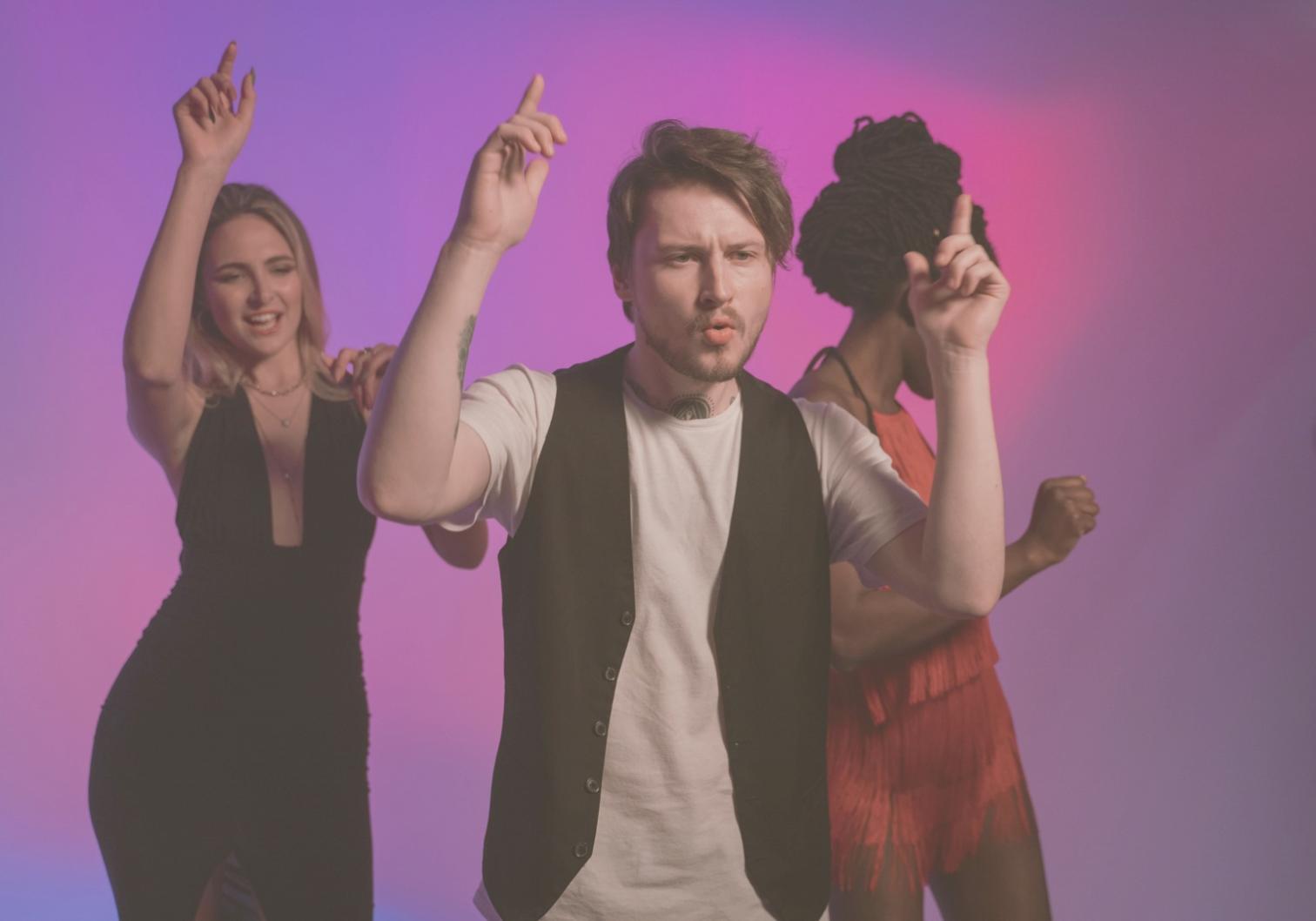
Six months of side-by-side testing reveals where each training model succeeds and fails
Jake Brennan tested three contemporary dance training models simultaneously to identify the most cost-effective path. He committed $89 to online platforms, $275 to traditional studio membership, and $164 to a hybrid model combining both approaches. His goal was determining which delivered optimal value for technique development.
Monthly cost breakdown across models
The online-only approach included subscriptions to 2 platforms at $34 and $29, plus a $26 monthly feedback service where instructors reviewed submitted videos. Studio training required $195 for unlimited classes plus $80 in mandatory performance fees. The hybrid model used $89 for online resources combined with $75 for twice-monthly studio sessions focused on partner work and spatial awareness.
Jake tracked 18 specific technical markers including floor work transitions, weight distribution, and improvisational range. Online training improved his solo technique by 31 percent based on self-assessment rubrics, but spatial awareness showed minimal growth. Studio training advanced partnering skills significantly yet provided limited individual attention in crowded classes. The hybrid approach yielded balanced development across all markers.
Results after 6 months of parallel testing
The hybrid model proved most efficient at $164 monthly, saving $111 compared to studio-only training. It addressed the spatial limitations of online learning while avoiding redundant studio time for skills effectively learned through video instruction. Jake noted that online platforms excelled at breaking down complex movements into repeatable segments, while studio time became valuable specifically for elements requiring physical space and partner interaction.
His analysis confirmed that strategic combination reduces costs without compromising comprehensive skill development, provided dancers honestly assess which techniques require in-person instruction versus independent practice.
Contemporary dance evolves through physical exploration and cultural dialogue. Each movement carries intention shaped by the dancer's lived experience and artistic vision.
Core movement principles
Weight transfer
How mass moves through space defines dance quality. Shifting weight between points of contact creates momentum and generates expressive potential.
Spatial awareness
Dancers navigate three-dimensional environments with precision. Understanding proximity, levels, and pathways allows choreographers to build complex spatial relationships.
Breath integration
Respiratory rhythm influences movement phrasing and emotional tone. Coordinating breath with gesture creates organic flow and connects internal states to external expression.
Dynamic range
Contrast between force and release shapes narrative. Varying energy levels within sequences maintains audience attention and reveals choreographic structure.
Improvisation skills
Spontaneous decision-making develops artistic voice. Practicing unscripted movement builds confidence and expands movement vocabulary beyond rehearsed patterns.