
How Elena Cut Contemporary Dance Costs by 62 Percent in 8 Months
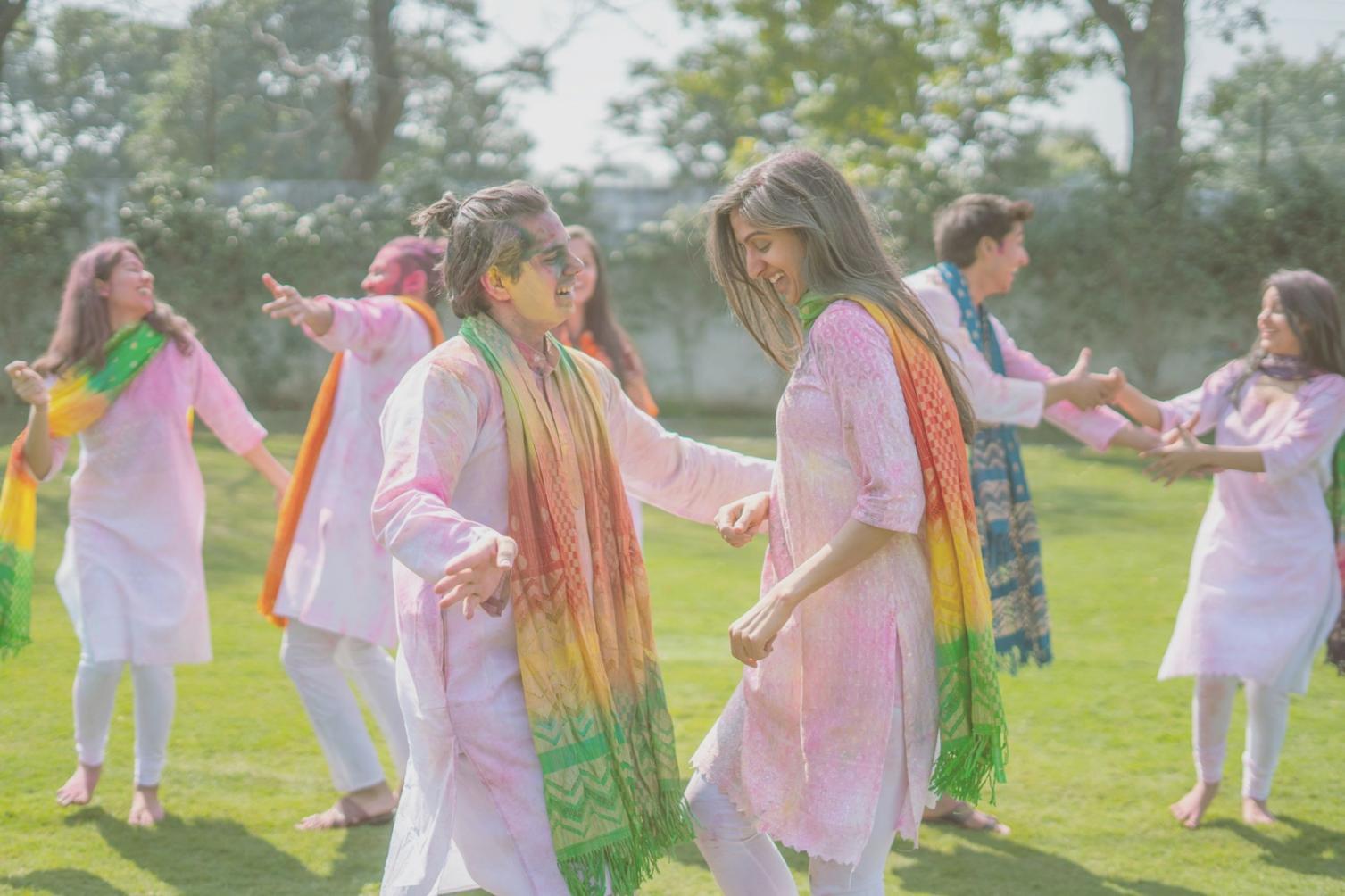
Breaking down one dancer's transition from premium studios to cost-effective alternatives
Elena Vasquez spent $340 monthly on contemporary dance training until she analyzed where every dollar went. Her breakdown revealed that studio fees consumed $220, private sessions took $80, and performance workshops cost $40 each month. She needed to maintain progress without the financial strain.
Three expense categories compared
Studio classes at established venues averaged $28 per session versus community center offerings at $12. Private instruction ran $65 hourly compared to small group sessions at $18 per person. Performance workshops through professional companies charged $160 for weekend intensives while university extension programs offered similar training at $45.
Elena switched to community center classes twice weekly, saving $128 monthly on studio fees. She replaced solo private lessons with shared sessions among 4 dancers, reducing individual costs from $260 to $72 for the same monthly contact hours. For performance training, she enrolled in university extension workshops that provided comparable choreography exposure at 72 percent lower rates.
What the numbers showed after implementation
Her revised monthly spending totaled $129: $96 for community classes, $18 for group instruction, and $15 toward quarterly workshop fees. The $211 monthly savings accumulated to $1,688 over 8 months. She tracked skill development through video recordings and noted no decline in technique acquisition compared to her previous training pace.
The transition required adjusting to larger class sizes and scheduling around community center availability. However, the financial relief allowed Elena to allocate funds toward a professional development fund, demonstrating that strategic substitution preserves training quality while dramatically reducing costs.
Contemporary dance evolves through physical exploration and cultural dialogue. Each movement carries intention shaped by the dancer's lived experience and artistic vision.
Core movement principles
Weight transfer
How mass moves through space defines dance quality. Shifting weight between points of contact creates momentum and generates expressive potential.
Spatial awareness
Dancers navigate three-dimensional environments with precision. Understanding proximity, levels, and pathways allows choreographers to build complex spatial relationships.
Breath integration
Respiratory rhythm influences movement phrasing and emotional tone. Coordinating breath with gesture creates organic flow and connects internal states to external expression.
Dynamic range
Contrast between force and release shapes narrative. Varying energy levels within sequences maintains audience attention and reveals choreographic structure.
Improvisation skills
Spontaneous decision-making develops artistic voice. Practicing unscripted movement builds confidence and expands movement vocabulary beyond rehearsed patterns.