
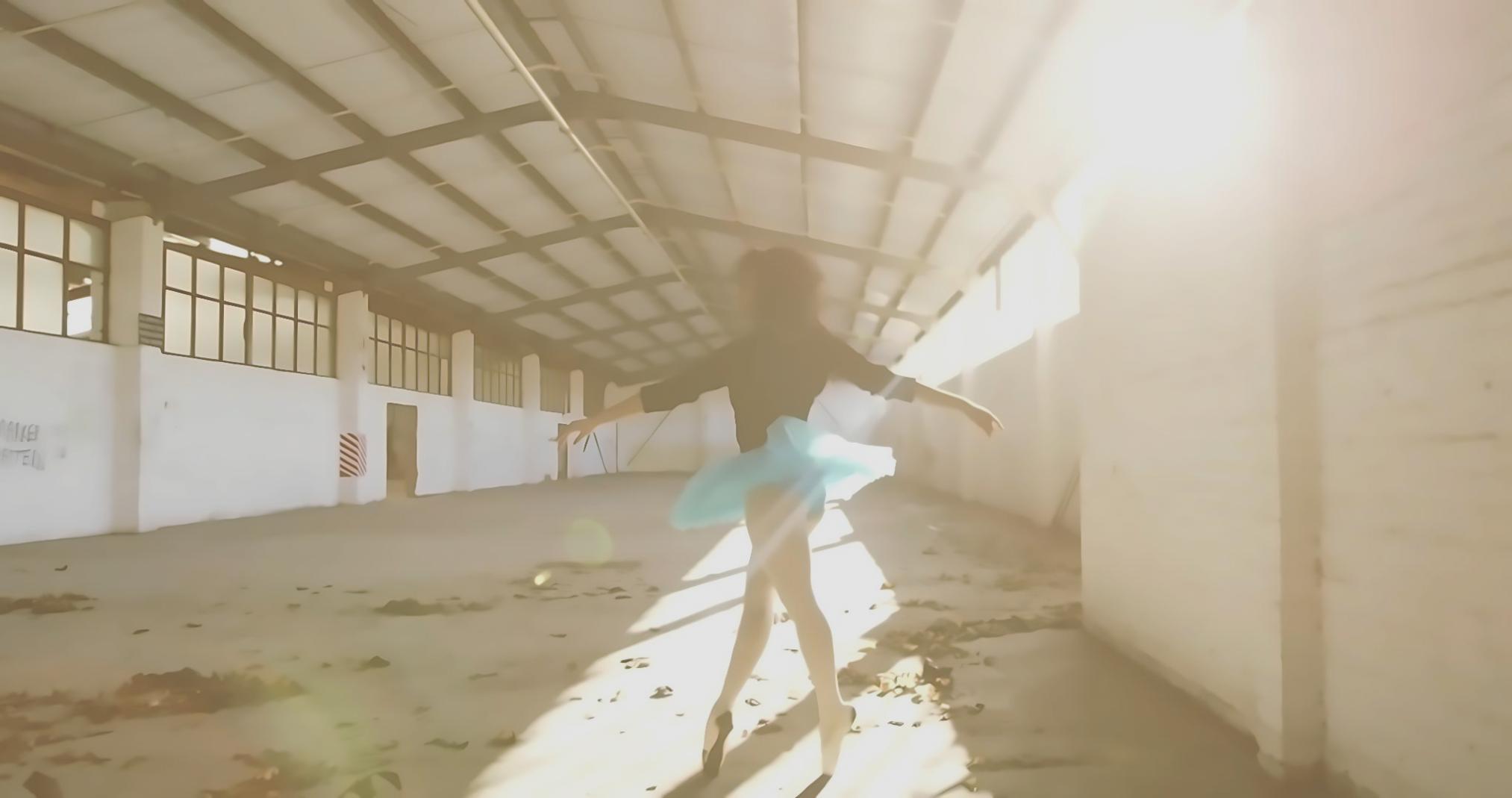
Where does technique meet expression in contemporary movement?
Exploring the language of the body through structured improvisation and choreographic clarity.
What holds you when the floor drops away?
Not every session feels effortless. Some days the body resists, the mind wanders, and the connection you felt last week seems distant. That's when structure matters most.
Guided repetition
The same sequence returns each week with slight variation. Muscle memory builds quietly, creating a foundation you can trust when improvisation begins.
Observation without judgment
Feedback focuses on what the body is doing, not what it should be doing. Small adjustments emerge from awareness, not correction.
Permission to pause
Sessions include deliberate stillness. Sitting out a phrase to watch others move often teaches as much as moving yourself.
What pathways are open to you here?
Three streams, each building on different starting points. Choose based on where you are now, not where you think you should be.

Foundational patterns
Eight weeks exploring weight transfer, spatial awareness, and breath integration. Designed for those new to structured movement or returning after a long break.
Compositional frameworks
Twelve weeks developing phrase work, partnering principles, and improvisation scores. Assumes familiarity with basic contemporary vocabulary and floor work.
Performance preparation
Sixteen weeks creating and refining solo or duet material for presentation. Includes rehearsal direction, spatial design, and audience relationship.
How does learning unfold over weeks and months?
Not in a straight line. Progress circles back, revisits earlier material with new understanding, plateaus before sudden shifts.
Initial disorientation
The first three weeks often feel awkward. Your body searches for familiar patterns and doesn't find them. This discomfort is expected, not a sign of unsuitability.
Emerging fluency
Around week five, sequences start to feel less foreign. You begin recognizing transitions before they're cued, anticipating shifts in weight and direction.
Personal vocabulary
By week eight, your movement starts diverging from the group in subtle ways. The same phrase looks different through your body, and that difference becomes intentional.
Sustained practice
After twelve weeks, the work shifts from learning steps to exploring quality. Speed, texture, and dynamic range become the focus rather than correct form.
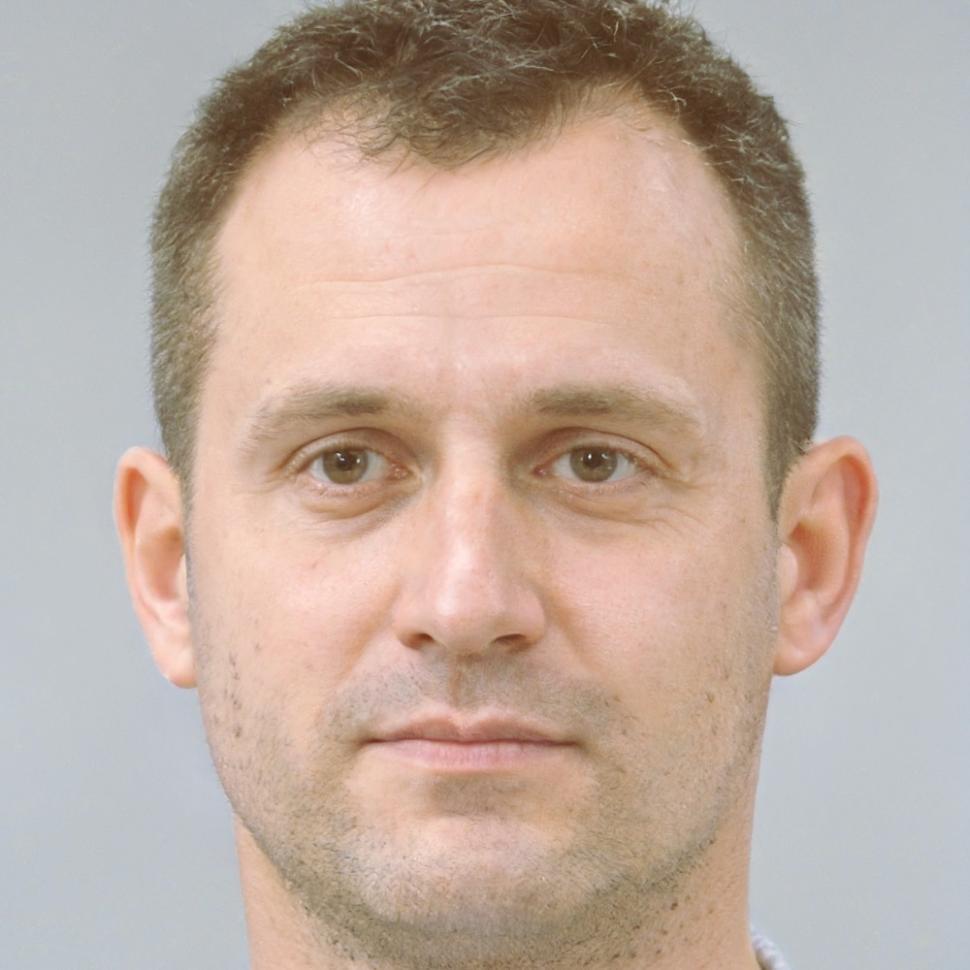
Taught by Callum Breckenridge
Twenty years performing with independent companies across three continents. Now focused on transmission rather than performance, working with movers at all stages of their practice.
Who does this work serve best?
Honest self-assessment helps more than optimism. These conditions indicate whether the approach will match your needs.
You prefer depth over breadth
The curriculum revisits core concepts repeatedly rather than introducing new material each week. If you're drawn to mastery through repetition, this structure fits.
You can commit to regular attendance
The work builds cumulatively. Missing sessions creates gaps that are difficult to fill. Consistency matters more than intensity.
You're comfortable with ambiguity
Not every exercise has a clear purpose explained upfront. Some understanding arrives weeks later. Tolerance for uncertainty makes the process easier.
You value process over outcome
There's no final performance requirement, no certification, no external validation. The practice itself is the point.